
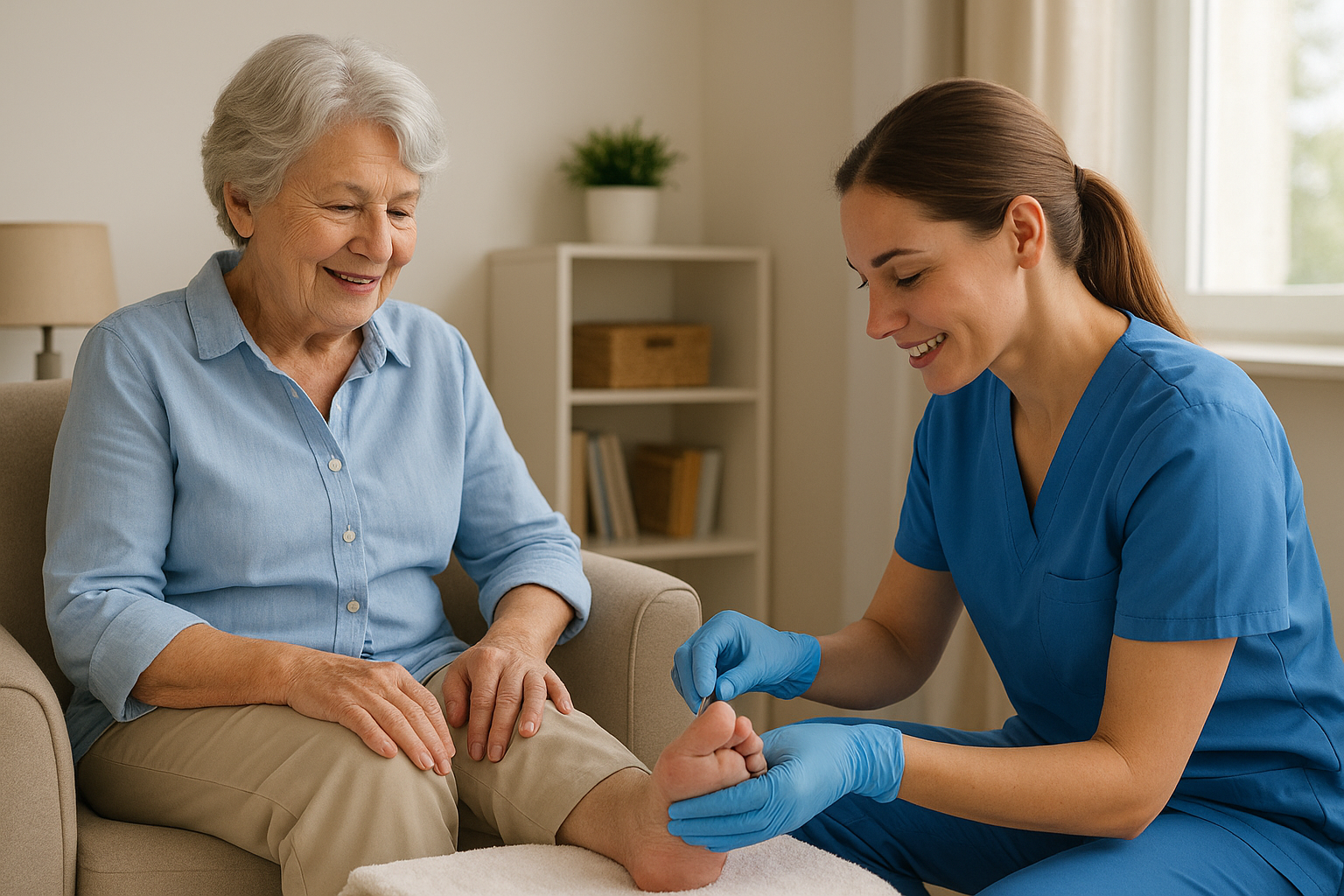
Mobile podiatrists play a vital role in addressing the unique foot care needs of seniors experiencing mobility challenges. By providing assessments and treatments directly in the home mobile podiatrist for elderly near me, they can identify issues that often go unnoticed in clinical settings. Their approach not only targets pain and discomfort but also aims to improve overall stability and movement. Understanding how these professionals operate reveals the significant benefits they offer beyond traditional podiatry services.

Why Mobile Podiatrists Are Essential for Seniors’ Mobility
How do mobile podiatrists enhance seniors’ mobility? By delivering expert foot care directly to seniors’ homes, mobile podiatrists remove barriers that limit access to essential treatment. This convenience allows seniors to maintain regular foot health check-ups without the struggle of traveling, which can be physically taxing or logistically challenging.
Their services address common age-related foot conditions, such as arthritis, bunions, and neuropathy, which, if untreated People Podiatry, can severely restrict movement. Timely intervention by mobile podiatrists helps alleviate pain and improve foot function, directly contributing to greater independence.
How Mobile Podiatrists Spot Mobility Problems in Seniors
Building on the benefits of home-based foot care, mobile podiatrists play a key role in identifying early signs of mobility issues in seniors. They carefully observe gait and balance to detect instability or uneven weight distribution.
Foot structure and skin condition are examined for deformities or ulcers that may restrict movement. Additionally, they assess pain or discomfort reported during movement, which can signal underlying problems affecting mobility.
Key indicators mobile podiatrists monitor include:
- Changes in walking patterns, such as limping or shuffling
- Presence of calluses, corns, or wounds that may cause pain
- Reduced range of motion in ankles and toes impacting flexibility
Common Foot and Lower Limb Treatments Mobile Podiatrists Use to Improve Mobility
What treatments can mobile podiatrists provide to enhance mobility in seniors? Mobile podiatrists offer targeted interventions addressing foot and lower limb conditions that restrict movement. They perform nail care to prevent discomfort and infection, easing walking. Callus and corn removal reduces pressure points, improving gait. Custom orthotics are crafted to support foot alignment and distribute weight evenly, relieving pain. Treatment of skin conditions like ulcers or fungal infections promotes healing and comfort. Mobile podiatrists also manage arthritis-related joint stiffness through tailored exercises and manual therapy. By addressing biomechanical issues, they restore balance and reduce strain. These focused treatments empower seniors to move with greater confidence and independence, supporting an active lifestyle without the need for frequent clinic visits.
How Mobile Podiatrists Help Prevent Falls and Injuries
Enhancing mobility through targeted foot care naturally reduces the risk of falls and injuries among seniors. Mobile podiatrists play a vital role by addressing common foot problems that impair balance and gait stability.
Through expert assessment and treatment, they help seniors maintain independence and confidence in movement.
Key ways mobile podiatrists prevent falls and injuries include:
- Correcting foot deformities and providing custom orthotics to improve posture and weight distribution.
- Treating skin and nail issues that cause pain or discomfort, reducing the likelihood of uneven steps or hesitation.
- Educating seniors on proper foot care and safe footwear choices to support secure footing.
These interventions empower seniors to move freely, minimizing fall risks and enhancing overall safety.
How Home Visits Make Podiatry Care Easier for Seniors
How do home visits simplify podiatry care for seniors? By bringing professional foot care directly to their living spaces, mobile podiatrists eliminate the need for challenging travel and long waits. This convenience fosters consistent treatment, essential for managing chronic conditions and preventing complications.
Seniors maintain independence without sacrificing care quality, as appointments fit seamlessly into their routines. Home visits also allow podiatrists to assess environmental factors affecting mobility, tailoring interventions to each individual’s needs.
This personalized approach supports safer movement and enhances overall well-being. Ultimately, delivering podiatry care in the comfort of home empowers seniors to stay active and confident, preserving their freedom and quality of life with minimal disruption.
Conclusion
Mobile podiatrists play a vital role in supporting seniors with mobility challenges by delivering personalized foot care directly to their homes. Through expert assessments and targeted treatments, they address common age-related conditions, enhance foot function, and improve balance. This proactive approach not only alleviates pain but also markedly reduces the risk of falls and injuries. Ultimately, mobile podiatry empowers seniors to maintain independence and enjoy safer, more comfortable mobility within their familiar surroundings.
Leave a Reply